
AI FOR TRAVEL AGENTS & AGENCIES
Enquiries turned into complete trip briefs, first-draft itineraries from your own preferred suppliers, quote follow-ups, secure document collection, pre-departure reminders, review requests and commission reconciliation. Your consultants check every price and make every recommendation.
EXAMPLE ONLY · NOT A REAL AGENCY OR TRAVELLER
- ENQUIRY"Italy in May, two of us, around 14 nights"Missing details asked for: dates, budget, departure city, pace, must-dos… BRIEF LANDS IN THE CRM
- DRAFTRome, Florence, Amalfi Coast first draftBuilt from your preferred hotels and tours; every price marked to confirm… AGENT CHECKS EVERY LINE
- QUOTEQuote sent, no reply after 3 daysFollow-up sent; price-hold date from the supplier mentioned… STOPS THE MOMENT THE CLIENT REPLIES
- DOCUMENTSPassport details for the airlineSecure upload link, never chat or email; checklist ticked off… AGENT SIGHTS AND ENTERS
- BACK OFFICEHotel commission statement arrivesMatched to bookings; one short-paid line flagged… BOOKKEEPER DECIDES WHAT TO CHASE
NEVER SAID BY THE SYSTEM
"You don't need a visa for that." (It links to Smartraveller.)
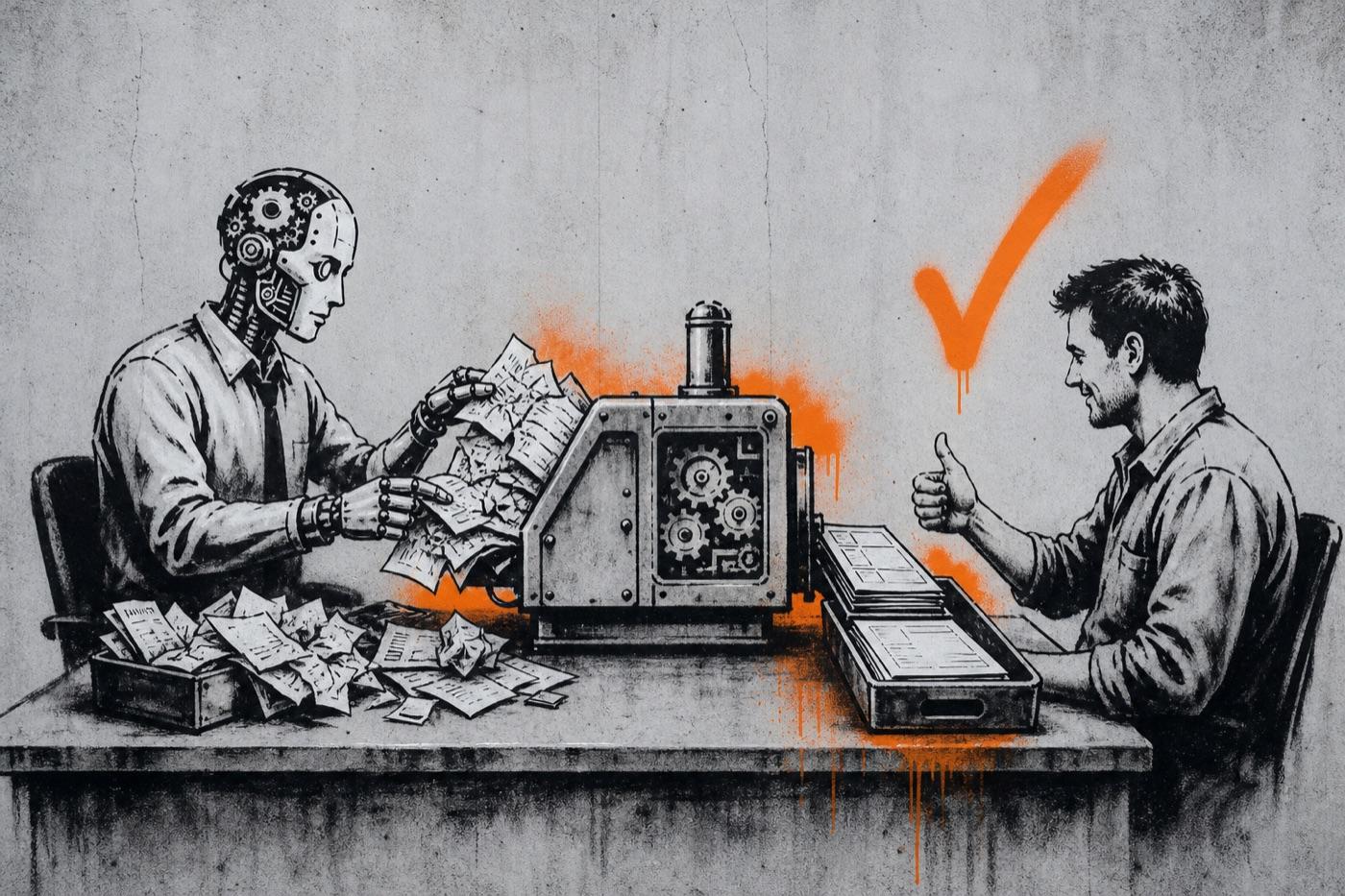
the system drafts · the agent advises
001 / THE SHORT ANSWER
AI is most useful at a travel agency for the work around the advice: turning loose enquiries into complete briefs, drafting first itineraries, chasing quotes, collecting documents, sending reminders and reconciling commission. The advice itself, and every price, availability check and recommendation, stays with your consultants.
A chatbot that guesses a fare or a visa rule can cost a client a trip, so everything below works the same way: the system drafts and reminds, your agent checks and decides.
Consumer Affairs Victoria notes that you no longer need a licence to be a travel agent, but agents must still comply with laws such as the Australian Consumer Law. The Australian Federation of Travel Agents (AFTA) runs a voluntary accreditation scheme, ATAS. Automation doesn't change those obligations.
We're an AI and automation agency based in Sydney. We work remotely with businesses across Australia and New Zealand and fly in for kick-offs, training and go-lives. This page is general information, not legal advice.
002 / ENQUIRIES
Have it reply within minutes, ask only for the details still missing, and hand your consultant a complete trip brief in the CRM, routed to the person who knows that destination. Otherwise it takes three emails just to learn the dates and budget.
A useful brief has the same fields every time:
- Who's travelling: adults, children and their ages, and anyone with access or medical needs the agent should ask about.
- When and how flexible: dates or month, number of nights, school holiday limits.
- From where: departure city, and whether they're open to connecting elsewhere.
- Budget: per person or total, and whether it includes flights.
- Style: pace, hotel standard, must-dos, past trips they loved.
- Which passports they hold: the country only, because entry rules depend on it. Never the passport number at this stage.
The assistant can do this on your website as a chatbot, or by reading the enquiry emails you already get through AI email automation. The brief is saved to your CRM, the client hears who will call and when, and repeat clients get their past trips attached; see CRM automation.
We built the email side of this for a financial services firm: referral emails become review-ready Salesforce leads, with personal details masked before the model sees them and a person approving every lead.
003 / ITINERARY BUILDER
Yes, and that's the version worth having. It drafts from your preferred supplier list, your past itineraries and the client's brief, and marks every price, availability and inclusion as "to confirm" for the agent to check.
A general chatbot will happily invent a hotel or a tour that closed years ago; a tool limited to your supplier list can't. A first draft for the Italy brief might look like this:
FIRST DRAFT · EXAMPLE ONLY · FOR THE AGENT, NOT THE CLIENT
- Nights 1–4, Rome: a preferred-supplier hotel near the centre, a skip-the-line Vatican tour from your tour partner PRICE TO CONFIRM
- Nights 5–8, Florence: train from Rome, a hotel from your list, a Chianti day tour AVAILABILITY TO CONFIRM
- Nights 9–13, Amalfi Coast: private transfer, a hotel the client's friends stayed at (from the enquiry notes) NOT ON PREFERRED LIST
- Night 14, Rome: airport hotel before the flight home PRICE TO CONFIRM
- Agent notes: client prefers a slower pace; check if the May dates clash with a public holiday or event.
From there, the agent:
- Checks availability and live prices with each supplier or through your booking tools.
- Swaps anything that doesn't fit, adds the advice that makes the trip theirs, and approves the wording.
- Sends the quote, with the total price and each supplier's cancellation terms, from your booking system.
Your supplier list and itinerary library become a knowledge base the drafting tool answers from, and nothing else.
004 / VISAS & ADVISORIES
No. We set it up never to state visa, entry, vaccination or health requirements as fact. It links travellers to the Smartraveller page for each destination and tells them to confirm requirements with the destination's embassy or consulate.
Smartraveller is the Australian Government's travel advice service, run by DFAT. Each destination has an overall advice level from 1 to 4, where level 4 is "do not travel", and some countries have different levels for different regions. Smartraveller itself says requirements can change at short notice, tells travellers to check the visa, entry and exit requirements for their destination and every transit stop, and offers a subscription for updates.
So the assistant's rules are simple:
- Link, don't summarise. It gives the Smartraveller destination page and the embassy or consulate as the place to confirm, for each country on the itinerary including transit stops.
- Flag the advice level to the agent. If a destination or region on the draft is at a high level, the agent sees it before quoting. Travel insurance may not cover some advice levels; the agent discusses that with the client.
- Questions go to a person. "Do I need a visa?" gets the links and a note that their agent will follow up, never a yes or no.
Health questions get the same treatment: the assistant suggests the traveller speak to their doctor.
005 / QUOTES & PRICING LAW
Every price an automated quote shows should be the total the client has to pay, including taxes and unavoidable fees, and the cancellation and change terms should be clear before they commit. That's why prices come from your booking system, never typed by the AI.
The ACCC's price displays guidance says businesses must show a single total price, which is the minimum total cost including taxes, duties and any unavoidable or pre-selected extra fees, and it describes drip pricing (fees added as the purchase goes on) as a problem it targets. The Competition and Consumer Amendment (Unfair Trading Practices) Act 2026 adds specific drip pricing rules from 1 July 2027. Card fees changed too: Visa, Mastercard and eftpos introduced no-surcharge rules from 1 October 2026 (see the ACCC's card surcharges page), so automated invoices and payment links shouldn't add one for those cards.
How we build quote follow-ups to stay on the right side of that:
- Totals, not "from" prices, with booking fees included and extras labelled optional.
- Real deadlines only. A follow-up can mention a supplier's price-hold or deposit date from the booking system. It never invents "only two seats left".
- Cancellation terms in plain words from each supplier's conditions and your own agency fees, in the quote and the confirmation.
- Stop on reply. The moment the client answers, the sequence stops and the agent takes over.
General information, not legal advice. Check your own pricing and terms with your adviser.
006 / DOCUMENTS & PRIVACY
Collect passport and traveller details through your booking system or a secure upload link, never by plain email, chat or an AI prompt, and keep only what each booking needs.
Passports are among the most sensitive things an agency holds. The OAIC's guidelines on Australian Privacy Principle 9 list Australian passport numbers as an example of a government related identifier, and APP 9 limits how organisations adopt, use or disclose them. In practice:
- Never use a passport number as your client ID or a lookup key in your CRM.
- The AI never sees it. Automations send the secure link and tick the checklist ("passport details received for 2 of 2 travellers"); the details go straight into your booking system.
- Delete on schedule. Scans you no longer need are destroyed, including copies in inboxes and shared drives.
- Know where data lives. You know which country each tool stores client data in; see private AI hosted in Australia.
Staff need a written rule against pasting client details into free chatbots; our AI acceptable use policy template is a starting point, and our Privacy Act and AI guide covers the Privacy Act 1988 in more detail.
007 / BEFORE & AFTER THE TRIP
Send each reminder when it's needed, from the dates in your booking system, and turn every reply that needs advice into a task for the agent. Most "just checking" calls in the last fortnight before a trip are answered by a well-timed message.
ON BOOKING
Confirmation listing what's booked, the total paid and owing, the final payment date and each supplier's cancellation terms in plain words.
FINAL PAYMENT DUE
A reminder a set number of days before the date in your booking system, with the amount from the booking, not typed by the AI.
6–8 WEEKS OUT
Document checklist: passport validity to check, the Smartraveller page for each destination and transit stop, and a reminder to confirm entry requirements with the embassy or consulate.
1–2 WEEKS OUT
Final itinerary and vouchers, a prompt to subscribe to Smartraveller updates, and travel insurance details if they bought it through you.
2–3 DAYS OUT
Airline check-in reminder, transfer details and the after-hours contact your agency gives travellers.
AFTER RETURN
A welcome home, one or two questions about each supplier, and a review link. Promotions only to clients who said yes to marketing.
"How was the Florence hotel?" answers go onto the supplier's record, so the next draft knows which suppliers clients rate. Complaints go to the agent before any review request.
On marketing, the ACMA says under the Spam Act 2003 commercial messages need consent, must identify the sender and must include an unsubscribe that is honoured within 5 working days. A booking is not consent to newsletters. AI is never used to write reviews of your agency or anyone else's.
008 / BACK OFFICE
Yes. It can match supplier invoices and commission statements against the bookings in your system, flag what's missing or short-paid, and prepare draft entries in Xero or MYOB for your bookkeeper to approve.
Commission is where margin quietly leaks: a late hotel, a statement missing one booking, the wrong rate. A reconciliation workflow:
- Picks up supplier invoices and commission statements from the accounts inbox, PDF or spreadsheet.
- Matches each line to a booking by reference, traveller name and travel date.
- Flags three things: bookings with no commission received after travel, amounts that don't match the agreed rate, and duplicates.
- Prepares draft bills or receipts in Xero or MYOB with the source attached; the bookkeeper approves and decides what to chase.
The intake half is a pattern we've built: our supplier invoice pipeline turns emailed bills into coded draft Xero bills, with checks for coding, duplicates and remittance matching, and staff approving every one. See Xero automation and MYOB automation.
009 / WHERE TO START
Enquiry intake, reminders and quote follow-ups are usually the first wins. Itineraries, quotes and commission work best with a person approving. Visas, entry rules, safety, refunds and emergencies stay with the agent.
| Job | What the AI does | Who stays responsible | Watch for |
|---|---|---|---|
| AUTOMATE Enquiry intake and qualification | Asks for missing details, builds the trip brief, creates the CRM record and routes it to the right consultant | Consultant takes the first call | No passport numbers or card details at enquiry stage |
| AUTOMATE Pre-departure and post-trip messages | Sends timed reminders and review requests from booking dates | Agent for any reply that needs advice | Marketing only with consent; unsubscribe honoured |
| AUTOMATE Quote follow-ups | Chases unanswered quotes, mentions price-hold dates from the booking system, stops when the client replies | Agent for any change to the quote | No invented urgency or "only 2 left" claims |
| AGENT APPROVES Itinerary first drafts | Drafts from your preferred suppliers and past trips, every price and availability marked to confirm | Agent checks every line with the supplier | Never invents a supplier, fare or inclusion |
| AGENT APPROVES Quotes and price totals | Assembles the quote from booking-system prices with mandatory fees included | Agent approves before sending | Single total price; cancellation terms shown |
| AGENT APPROVES Supplier invoices and commission | Matches statements to bookings, flags gaps, drafts entries in Xero or MYOB | Bookkeeper approves and chases | Supplier and client money kept straight |
| KEEP WITH THE AGENT Visas, entry, health, safety, refunds, emergencies | Links to Smartraveller and the embassy or consulate; anyone in danger told to call local emergency services and your after-hours line alerted | The agent, every time | Never stated as fact by the AI; no refund promises |
General information only. How each job is set up depends on your agency, your systems and your own advice.
010 / FROM OUR BUILDS
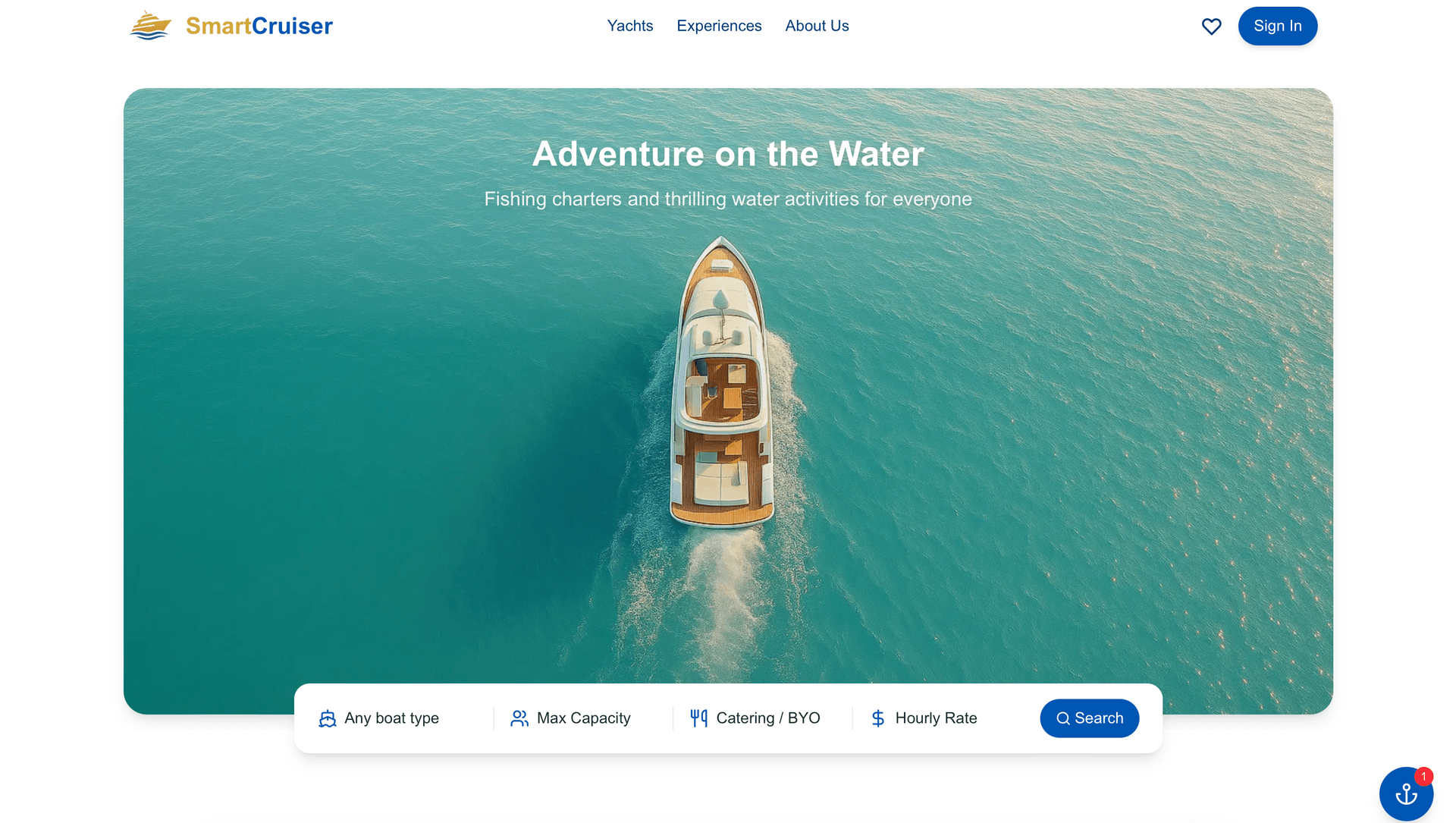
Yes. We built a yacht and boat booking platform MVP with an AI chat guide that recommends boats from the occasion, group size and preferences, checks availability in real time to prevent double bookings, and sends automated emails to owners and customers.
The yacht booking case study is the closest thing to a travel recommender we've shipped. The lessons carry over: the chatbot recommends from the platform's own listings (retrieval, not the model's memory), and availability and confirmations come from the booking system, not the chatbot.
For an agency, the listings become your preferred suppliers and packages, and the "book" button becomes "send to my agent". If you also run accommodation or a property of your own, see AI for hotels and motels for guest messaging and booking calls.
011 / HOW WE START
We start with whichever job costs your consultants the most time, usually enquiry intake or itinerary drafting, and run it alongside your current process before switching over.
- 01
Pick the job
We look at a normal fortnight of enquiries, quotes and admin with the owner or office manager.
- 02
Write down what you know
Preferred suppliers, itinerary library, brief questions, agency fees and the rules for what goes to an agent.
- 03
Check your systems
We confirm what your booking system, CRM, email and accounts allow: direct connection, export and import, or a task the agent confirms.
- 04
Agree the rules
What it may say, what it never says (visas, entry, refunds), follow-up timing and who approves what.
- 05
Run it in parallel, then switch
Your consultants check its work on real enquiries first. Go live when they're happy, with logs from day one and a review after the first month.
012 / BUILT AND RUNNING

013 / QUESTIONS
Anything else is quicker to answer on a call. Thirty minutes, free, with the people who would build it.
Mostly with the work around the advice: turning enquiries into a complete trip brief, drafting first itineraries from your preferred suppliers, following up quotes, collecting traveller documents securely, sending pre-departure reminders, asking for reviews after the trip and matching supplier invoices and commission to bookings. The agent still checks availability and prices, and makes every recommendation.
Tell us where your consultants lose the most time. In thirty minutes we'll sketch the workflow, what your booking system and CRM allow, and who approves each step.
Book a free call→