
AI FOR MSPs & IT SUPPORT PROVIDERS
Ticket triage drafts, first responses from your own runbooks, onboarding and offboarding checklists, licence renewals, monthly client reports and quoting paperwork. Built around your PSA and RMM, the Privacy Act and the Notifiable Data Breaches scheme, with technicians approving anything that touches a client environment.
EXAMPLE ONLY · NOT A REAL MSP OR CLIENT
- SECURITY"I clicked a link and now my mailbox is sending emails"Flagged as a possible incident, sign-in history attached, no priority guessed… ON-CALL TECHNICIAN SETS PRIORITY
- ROUTINENew starter needs a laptop and accounts by MondayOnboarding checklist opened from the client's template, approvals requested… TECHNICIAN RUNS EACH STEP
- RENEWALFirewall subscription for a client expires in 30 daysRenewal quote drafted from the distributor price list… ACCOUNT MANAGER SENDS IT
- REPORTMonthly report for a 25-seat clientPatching and backup results summarised, two failed jobs listed first… ACCOUNT MANAGER CHECKS AND SIGNS
NEVER DONE BY THE SYSTEM
Deleting, disabling or changing anything in a client tenancy without a technician's approval
the system prepares · the technician approves
001 / THE SHORT ANSWER
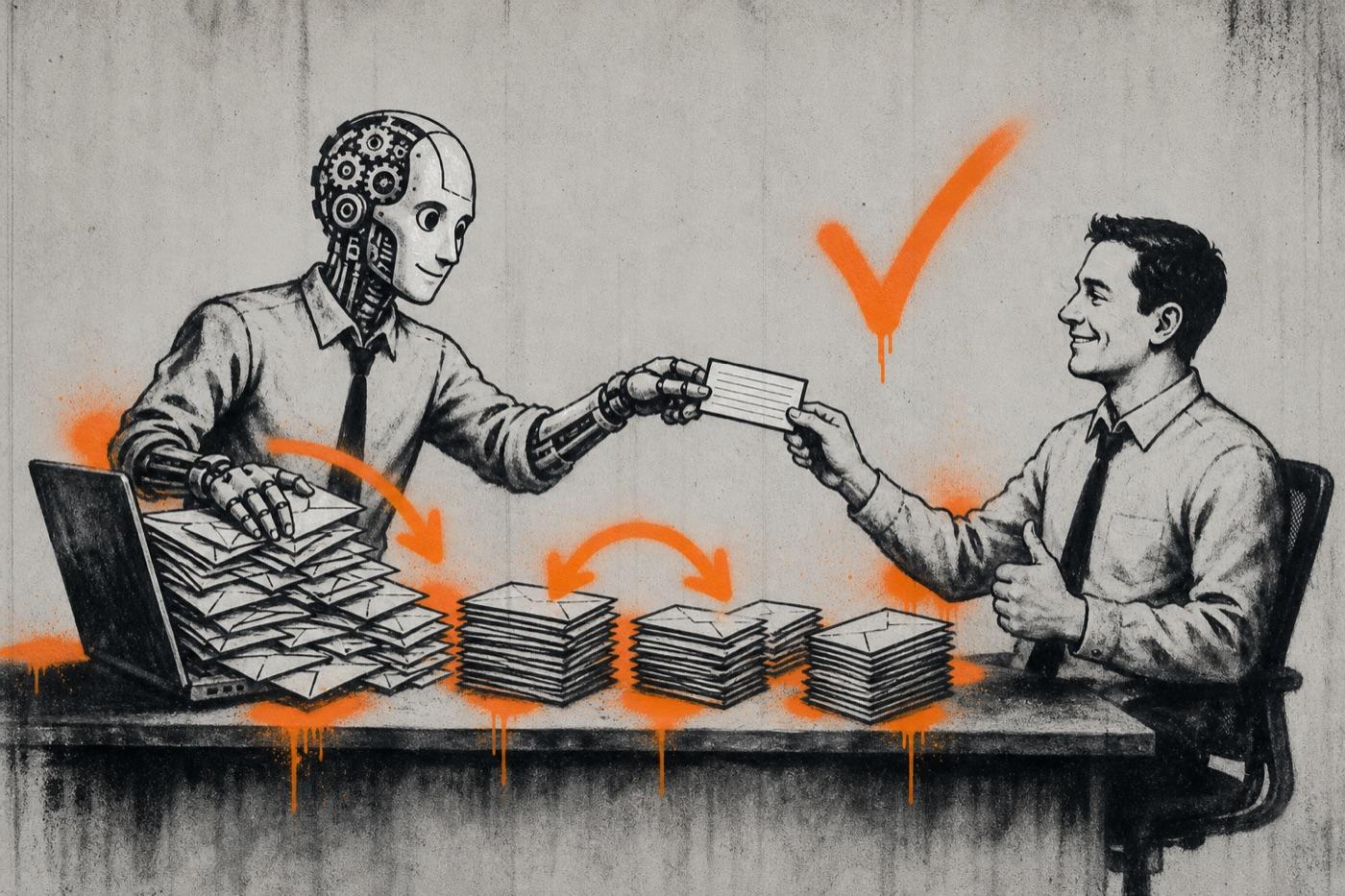
For an MSP, AI is most useful on the admin that surrounds technical work: sorting and drafting tickets, writing first responses from your own documentation, running onboarding and offboarding checklists, tracking renewals and drafting monthly reports. It prepares; a technician or account manager approves.
MSPs hold admin access to many client environments, the service desk is a target for social engineering, and one automation mistake can repeat across every tenancy. So the design question is "what may it touch, and who approves?"
We're an AI and automation agency based in Sydney. We work remotely with businesses across Australia and New Zealand and fly in for kick-offs, training and go-lives. Nothing here is legal or cyber security advice; where a rule matters, we link to the source.
002 / TICKET TRIAGE
AI should draft the triage, not decide it: client, category, suggested priority, likely duplicates and the questions still unanswered. Anything that could be a security incident goes to a person, and a technician sets its priority.
Requests arrive by email, portal, phone notes and alerts. A drafted triage works like this:
- The sender is matched to a client and an approved contact. Unknown senders are marked unverified.
- The AI suggests a category and priority from your own definitions, and links open tickets that look like the same issue.
- It lists what's missing (device name, error text, when it started) and drafts the question back to the user.
- Security signals, such as a suspicious sign-in, a phishing report, unexpected MFA prompts or a ransom note, skip the queue and go to the on-call technician without a suggested priority.
A model that rates a compromised mailbox "P4, email issue" is worse than no model, so when in doubt it escalates. Our AI email automation page covers the inbox side of the same pattern.
003 / FIRST RESPONSES
Yes, and that's where the time goes back to technicians, as long as the answers come from your runbooks and client notes, the draft cites the article it used, and a person sends it.
Quality depends on the documentation, not the model. If your runbook covers one client's VPN and three clients differ, the draft will be wrong for two. So the first job is tidying: one current article per procedure, each with an owner.
- Drafts answer only from documents the client is entitled to; client A's network notes never appear in client B's reply.
- If nothing in the documentation answers the question, the draft says so and the ticket stays with a technician.
Our AI knowledge base guide explains the retrieval, permissions and testing behind this in detail.
004 / THE HARD RULE
Because an MSP's automation runs with privileged access across many clients. Our rule: nothing destructive or privileged happens in a client environment without a named technician approving it.
That rules out, unless a person approves each one:
- Deleting or disabling accounts, mailboxes, devices, files or backups.
- Changing permissions, admin roles, MFA methods, conditional access or firewall rules.
- Pushing scripts or software to devices.
- Resetting passwords or MFA for anyone whose identity hasn't been verified through your process.
Instead the AI prepares the change, with steps, affected objects and a rollback note, and the technician runs it. The integration uses a scoped service account, read-only by default, in line with the Essential Eight strategy of restricting administrative privileges.
005 / ONBOARDING & OFFBOARDING
By turning a request into the client's own checklist, chasing the approvals and tracking every step until it's done, while technicians make the changes.
Staff changes are where small errors become security problems, like the leaver whose account stays active.
- A manager emails "Sam starts Monday" or "Alex finishes Friday". The AI checks the sender is an authorised contact for that client.
- It opens the client's template: accounts, licences, groups, shared mailboxes, devices, line-of-business apps.
- It asks for anything missing, such as who gets the leaver's mailbox.
- Technicians complete each step; the AI tracks what's left and confirms completion to the client.
006 / LICENCES & QUOTING
Yes. It can match subscriptions to clients, flag renewals and unused seats ahead of time, and draft renewal and procurement quotes for an account manager to check and send.
Renewals are scattered across distributor portals, vendor emails and invoices. The AI keeps one list per client and raises each renewal early. A request for "two laptops for new starters" becomes a draft quote from your standard builds.
- Prices and stock come from your price list or distributor data, not the model. A quote is always a draft until a person sends it.
If quotes and invoices finish in your accounting software, see Xero automation or CRM automation.
007 / CLIENT REPORTS
From your actual data: tickets closed, patching results and backup outcomes, summarised in plain English for the account manager to check and sign. Failures go first, not in the footnotes.
Drafting makes a proper report practical for every client, not just the largest, as long as it stays honest:
- Every number comes from your PSA, RMM or backup tool for that month. The AI writes the words, never the figures.
- Failed backup jobs, devices behind on patches and open risks are listed at the top with what's being done.
- Internal technician notes are left out; the account manager adds recommendations.
008 / DATA BREACHES
It means your incident process has a clock and an owner, and AI can help gather the facts but shouldn't decide whether a breach is notifiable.
Under the Privacy Act 1988, the OAIC's Notifiable Data Breaches scheme applies to organisations covered by the Act. An eligible data breach is one likely to result in serious harm to the people whose information is involved. An entity that suspects one must take reasonable steps to complete an assessment within 30 days, and notify affected individuals and the OAIC if it is eligible. The OAIC's quick reference guide also says that where the information is held by more than one entity, such as an MSP and its client, only one needs to assess and notify, and the entities decide who.
- Agree with each client, before anything happens, who assesses and who notifies.
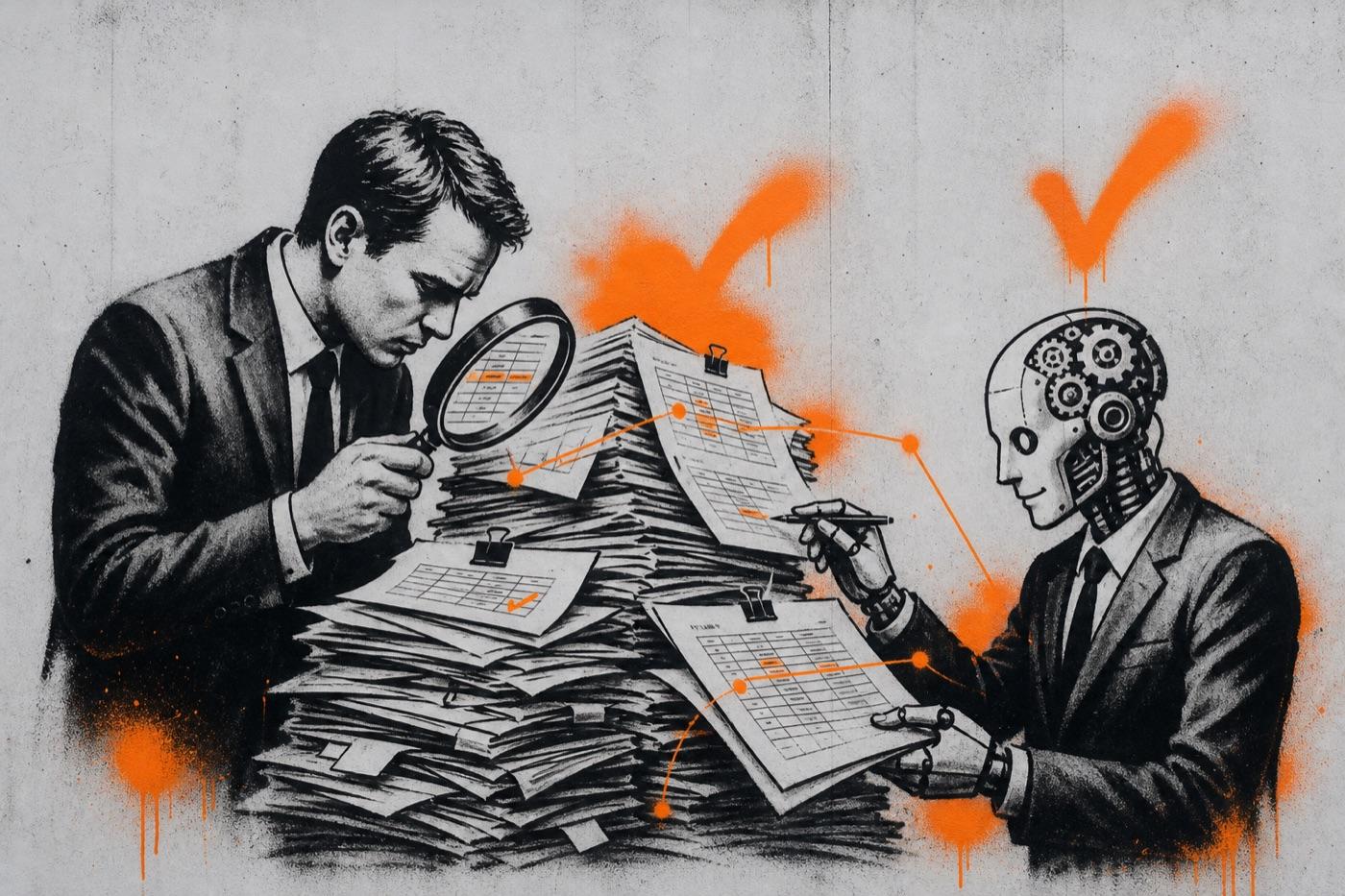
- AI can build the timeline from tickets, sign-in logs and alerts, and draft the incident summary for your lead and the client.
- The decision that a breach is or isn't eligible stays with people, with legal advice where needed.
An AI integration that can read client mailboxes must be secured like any admin tool. See our Privacy Act and AI guide.
009 / ESSENTIAL EIGHT
The Essential Eight is the ASD baseline many Australian clients ask their MSP about. AI can draft the evidence; an engineer still assesses maturity.
The Essential Eight covers patching applications and operating systems, multi-factor authentication, restricting administrative privileges, application control, restricting Microsoft Office macros, user application hardening and regular backups. In October 2026, ASD released its Essentials series as an evolution of the Essential Eight, and is maintaining both on cyber.gov.au during the transition.
- The AI drafts a summary from patch, backup and device reports against the strategies you report on.
- Gaps are listed by client for an engineer to confirm; it never states a maturity level nobody checked.
010 / WHO DOES WHAT
Renewals and reports are admin. Triage, first responses and onboarding touch client environments, so a technician approves. Unattended changes in a client tenancy are something we don't build.
| Job | What the AI does | Who stays responsible | Watch for |
|---|---|---|---|
| TECHNICIAN APPROVES Ticket intake and triage | Drafts client, category, suggested priority and missing details from email or portal | Service desk lead; technician sets priority on any security ticket | Never downgrades a possible incident |
| TECHNICIAN APPROVES First responses | Drafts a reply from your runbooks and client notes, with the source cited | Technician sends or edits | Says "not documented" rather than guessing |
| TECHNICIAN APPROVES Onboarding and offboarding | Builds the checklist from the client's template, chases approvals, tracks each step | Technician runs each change | Identity checked on every request |
| ADMIN Licences and renewals | Matches subscriptions to clients, flags expiries and unused seats, drafts renewal quotes | Account manager | Distributor prices change; quotes are drafts |
| ADMIN Monthly client reports | Summarises tickets, patching and backup results in plain English | Account manager checks and signs | Failures listed first, never smoothed over |
| WE DON'T BUILD Unattended changes in client tenancies | Deletes, disables or changes accounts, data, permissions or devices without approval | Your technicians, with approval | One bad prompt repeated across every client |
General information only. How each job is set up depends on your clients, your contracts and your own advice.
011 / PSA & RMM
Usually, but access, permissions and limits differ by product and plan, so we check your PSA and RMM before quoting.
HaloPSA
Halo documents an API for integrations, set up from its own configuration screens, which is the usual route for reading and updating tickets.
ConnectWise PSA
ConnectWise documents the PSA REST API on its developer network. Access to the documentation is gated: you register with a company email and go through an approval process.
Autotask PSA
Autotask's Developer Help covers a REST API and webhooks, and says the API documentation is intended for authorised partners.
NinjaOne
NinjaOne documents a Public API with OAuth token configuration, including filtering tickets from its ticketing module.
From each vendor's own documentation, November 2026. Features vary by plan; confirm with the vendor.
The workflow layer is often n8n, self-hosted in your own cloud account, or Power Automate where your team lives in Microsoft 365. We don't sell PSA or RMM software.
012 / YOUR CLIENTS
Start with the questions clients already ask: is our Microsoft 365 ready for Copilot, who can see what, and how do we govern AI use. They extend work you already do.
- Copilot readiness. Oversharing clean-up, sensitivity labels, a pilot and training. Our Microsoft Copilot consulting page sets out the method.
- Governance. An AI register, risk tiers and a named owner. See our AI governance framework, with a starter register you can copy.
- Policy. Our AI acceptable use policy template is a starting point clients can adapt.
- Agents. Internal helpdesk and policy agents in Copilot Studio.
We can help you shape the service, train your engineers or work on early engagements with you. For clients asking about ISO/IEC 42001, our ISO 42001 register lists certified Australian and New Zealand businesses from the JAS-ANZ public register.
013 / HOW WE START
We start with one high-volume, low-risk job, usually ticket intake drafts or monthly reports, and run it alongside your current process first.
- 01
Pick the job
A normal month of tickets or reports, with your service desk lead and an account manager.
- 02
Check the tools
We confirm what your PSA, RMM and backup tools allow, and set up a scoped service account.
- 03
Write the rules
Your categories, priorities, security triggers, approval list and what the AI may never touch.
- 04
Run it in parallel
Technicians score the drafts on real tickets before anything reaches a client.
- 05
Switch over and review
Go live when the team trusts it, with logging from day one and a review after the first month.
014 / BUILT AND RUNNING
015 / QUESTIONS
Anything else is quicker to answer on a call. Thirty minutes, free, with the people who would build it.
With the admin around the technical work: drafting ticket triage from email and portal requests, first responses from your own knowledge base, onboarding and offboarding checklists, licence and renewal tracking, monthly client reports and quoting paperwork. People approve anything that reaches a client or changes a client environment.
Tell us where your service desk loses the most admin time. In thirty minutes we'll sketch the workflow, what your PSA allows and which technician approves each step.
Book a free call→