
AI FOR ENGINEERING FIRMS · CIVIL · STRUCTURAL · BUILDING SERVICES
Practical AI for consulting engineers: document control and transmittals, RFIs, answers from your own specifications and past reports, meeting minutes, proposals and timesheet-to-invoice. Every answer shows its source, and the responsible engineer checks it.
EXAMPLE PROJECT · NOT A CLIENT JOB
Does the J-2291 spec change our standard concrete cover requirements for the basement walls?
- USEDMaster spec · Concrete v7· current · cl. 4.31
- USEDProject spec J-2291 · Concrete· project amendment · cl. 4.3.32
- SKIPPEDMaster spec · Concrete v5· superseded
ANSWER FROM YOUR DOCUMENTS
Yes. The master spec sets cover by exposure classification1. The project spec amends that clause for the basement walls only2. Both clauses are linked so you can read the exact wording.
NOT IN THE DOCUMENTS
The site's exposure classification isn't stated. An engineer decides it.
CHECK
Engineer opens both clauses and confirms ✓
example only · every answer points to a clause
001 / THE SHORT ANSWER
AI is useful for the document-heavy work that surrounds engineering: registers, transmittals, RFIs, specification lookups, minutes, proposals and billing. For an Australian consulting engineering practice, that means fewer hours spent finding the right revision, the right clause or the last answer to the same question.
It doesn't do the design, run calculations or take professional responsibility. What changes is how quickly an engineer gets to the documents they need to make the decision.
We're an AI and automation agency based in Sydney. Our closest work to engineering is a document intelligence platform for a construction claims consultancy, where every flagged issue carries a page reference for the expert to check. If you're a builder or subcontractor rather than a design consultant, our AI for construction companies page covers variations, site diaries and claims from the contractor's side.
002 / JOBS AND RESPONSIBILITY
Nine jobs are ready now, and in each one the engineer or manager who would be accountable anyway makes the call. AI does the reading, matching, checking and first draft. It never issues anything on its own.
| Job | What AI does | Who stays responsible |
|---|---|---|
| Transmittals | Drafts the transmittal from the issue folder, checks each file's revision against the drawing register and flags mismatches | Document controller approves the issue |
| Incoming documents | Reads drawings, reports and correspondence from clients, architects and contractors, then names, classifies and files them by project | Document controller handles exceptions |
| RFIs and technical queries | Logs each query with its due date, finds the drawings and clauses it refers to and similar past queries, and drafts a response skeleton | Project engineer decides and writes the answer |
| Spec and standards lookup | Answers from your master specs, project specs and technical notes, citing document, version and clause, and says when nothing answers it | Engineer reads the clause before relying on it |
| Design reports | Assembles the report in your template, checks cross-references, figure numbers and the drawing list, and flags missing sections | Author and reviewing engineer sign it |
| Inspection reports | Turns site notes, voice memos and photos into report sections, grouped by location, with findings left for the engineer | Inspecting engineer writes the findings |
| Meeting minutes | Drafts minutes from the recording or notes, with decisions, actions, owners and dates linked to the drawings discussed | Chair confirms before circulation |
| Proposals and fee tenders | Summarises the request, lists returnables and criteria, drafts methodology and experience from past submissions | Director sets scope, fee and exclusions |
| Timesheets to invoices | Codes time to project and stage, compares it with the fee and drafts invoice lines in Xero or MYOB | Project manager approves each invoice |
Most firms start with whichever costs the most senior hours, usually RFIs, transmittals or proposals. Minutes from design meetings can link each decision to the drawing it affects; see Microsoft Teams automation.
003 / DOCUMENT CONTROL
It checks every issue against the drawing register before it goes, and files everything that comes in, so the document controller only deals with exceptions. The costly errors are small ones: a wrong revision, a superseded sheet left in a set, a transmittal that doesn't match what was sent.
- When a set is ready to issue, the system reads the title blocks, compares drawing numbers and revisions with the register, and drafts the transmittal with the purpose of issue.
- It flags anything that doesn't line up: a revision the register doesn't show, a drawing missing from the set, or a superseded sheet still in the folder.
- Incoming documents from clients, architects and contractors are read, named to your convention and filed under the right project and discipline.
This runs on SharePoint or your firm's document system; where a client mandates its own platform, the checks run before upload. Our Docs Autopilot document control package sets up the intake, extraction and audit trail in a 30-day sprint, with models measured on documents they haven't seen before launch. For the extraction side in more depth, see document AI.
004 / SPECS AND STANDARDS
Yes, from the documents you're entitled to load, and every answer names the document, version and clause it used. The engineer then opens that clause and reads it. The point is to get them to the right page in seconds, not to replace reading it.
A cited specification search for an engineering firm needs a few things a general chatbot doesn't have:
- Version control. Only the current master specification is quoted. Superseded versions are kept for the record but skipped in answers, as in the example at the top of this page.
- Project overrides. Where a project specification amends a master clause, the answer shows both and says which governs on that project.
- An honest gap. When the library doesn't answer the question, it says so and names who to ask, instead of filling in from general knowledge.
Published standards are a separate question. Whether you can load them into a search tool depends on the terms of your standards subscription, so check your licence before including them. Many firms start with their own master specifications, technical notes and past reports, where much of the firm's knowledge lives. Our AI knowledge base page covers platforms, permissions and testing in general.
005 / WORKED EXAMPLE
The query is logged, the referenced drawings and clauses are pulled up, similar past answers are found, and the engineer gets a draft with the judgement calls marked. Here is a typical flow, using an example rather than a client job.
- It arrives. A contractor asks whether an alternative anchor product can be used for a façade bracket. The system logs the RFI, sets the due date from your agreed turnaround and assigns the project engineer.
- It gathers. It finds the referenced drawing and detail, the fixings clause and the contractor's product data.
- It looks back. It finds similar substitution queries on past projects and links their answers.
- It drafts. A response skeleton lists the references and the information still needed. Whether the substitute is acceptable is left blank and marked for the engineer.
- The engineer decides. They review the product data, make the call, write the answer and approve it. If the detail changes, a drawing revision is raised.
- It closes the loop. The response goes out with a transmittal, the register is updated and the answer is linked to the drawing, so the next person who asks finds it.
The saving is in steps two, three and six. Step five stays the engineer's.
006 / REGISTRATION AND RESPONSIBILITY
They don't change: the registered engineer who directs, checks and signs the work stays responsible for it, whatever tools were used along the way. Three states have registration schemes that consulting engineers deal with often.
| State | Law | What it requires |
|---|---|---|
| Queensland | Professional Engineers Act 2002, administered by the Board of Professional Engineers of Queensland | Professional engineering services in or for Queensland must be carried out by an RPEQ, under the direct supervision of an RPEQ, or only to a prescriptive standard. |
| Victoria | Professional Engineers Registration Act 2019, with registration through Consumer Affairs Victoria | Registration is required to provide professional engineering services in or for Victoria in civil, structural, mechanical, electrical and fire safety engineering, with exemptions for direct supervision and prescriptive standards. |
| New South Wales | Design and Building Practitioners Act 2020, regulated by Building Commission NSW | Professional engineering work on regulated buildings (currently class 2, 3 and 9c) needs registration in the relevant class, or direct supervision by a registered engineer. Design compliance declarations need design practitioner registration. |
Treat AI output like work from a fast junior who is sometimes wrong: reviewed by someone qualified before it counts. The systems we build keep an audit log of who reviewed and approved each output, which helps you show that review happened. Check your own obligations with the regulator in each state you work in, and talk to your professional indemnity insurer about how you use AI. This is general information, not legal advice.
007 / PROPOSALS
It can produce the first draft from your past submissions, and directors still decide scope, fee and whether to bid.
- Reads the request and lists returnables, dates and evaluation criteria.
- Drafts methodology, relevant experience and team sections from past proposals and project sheets, with links to the sources.
- Checks the scope for items that imply certification or work outside the disciplines your engineers are registered in.
Contract terms and liability caps are for your directors and lawyer; AI can point at clauses, not assess them.
008 / BILLING
Yes. Time can be coded to project and stage, compared with the fee, and turned into draft invoice lines for the project manager to approve. Firms lose money between timesheet and invoice: time booked to the wrong stage, unbilled work, or a stage over budget that no one noticed until month end.
The system flags time with missing or vague descriptions, shows each stage's billed and unbilled amounts against the fee, highlights stages close to or over budget, and drafts progress invoices in Xero or MYOB. Nothing is sent without approval. For a trade services business, we built the supplier side of the same idea: supplier bills created as draft bills in Xero, with staff approving each one. See Xero automation and MYOB automation.
009 / DATA
Inside an environment your firm controls, not a free public chatbot. Drawings, reports and fee information are client confidential, and personal information in your records is covered by the Privacy Act 1988.
The systems we build run inside your own Microsoft environment, as our claims build does, or in an Australian cloud region in Sydney that we manage. Access follows roles, documents are never used to train public models, and every answer is logged. Read more about private AI hosted in Australia, and use an AI acceptable use policy to set what staff can put into general tools.
010 / HOW WE START
We start with the job that costs your engineers the most hours, test it on a project where you already know the answers, then pilot it on live work. Document workflows are usually live in three to eight weeks; a private, cited specification search reaches a working pilot in about three months.
- 01
Pick the job
RFIs, transmittals, spec lookup, proposals or timesheet-to-invoice: whichever costs the most senior time.
- 02
Agree where data lives
Your own Microsoft environment or an Australian cloud region in Sydney, written down before the build starts.
- 03
Test on a closed project
Run it on a finished job where you know the answers, and measure what it gets right and wrong.
- 04
Pilot on live work
One project team uses it, with citations, review steps and an audit log from day one.
- 05
Sign-off and handover
Your firm decides it's good enough, and we train the people who'll use it.
011 / BUILT AND RUNNING
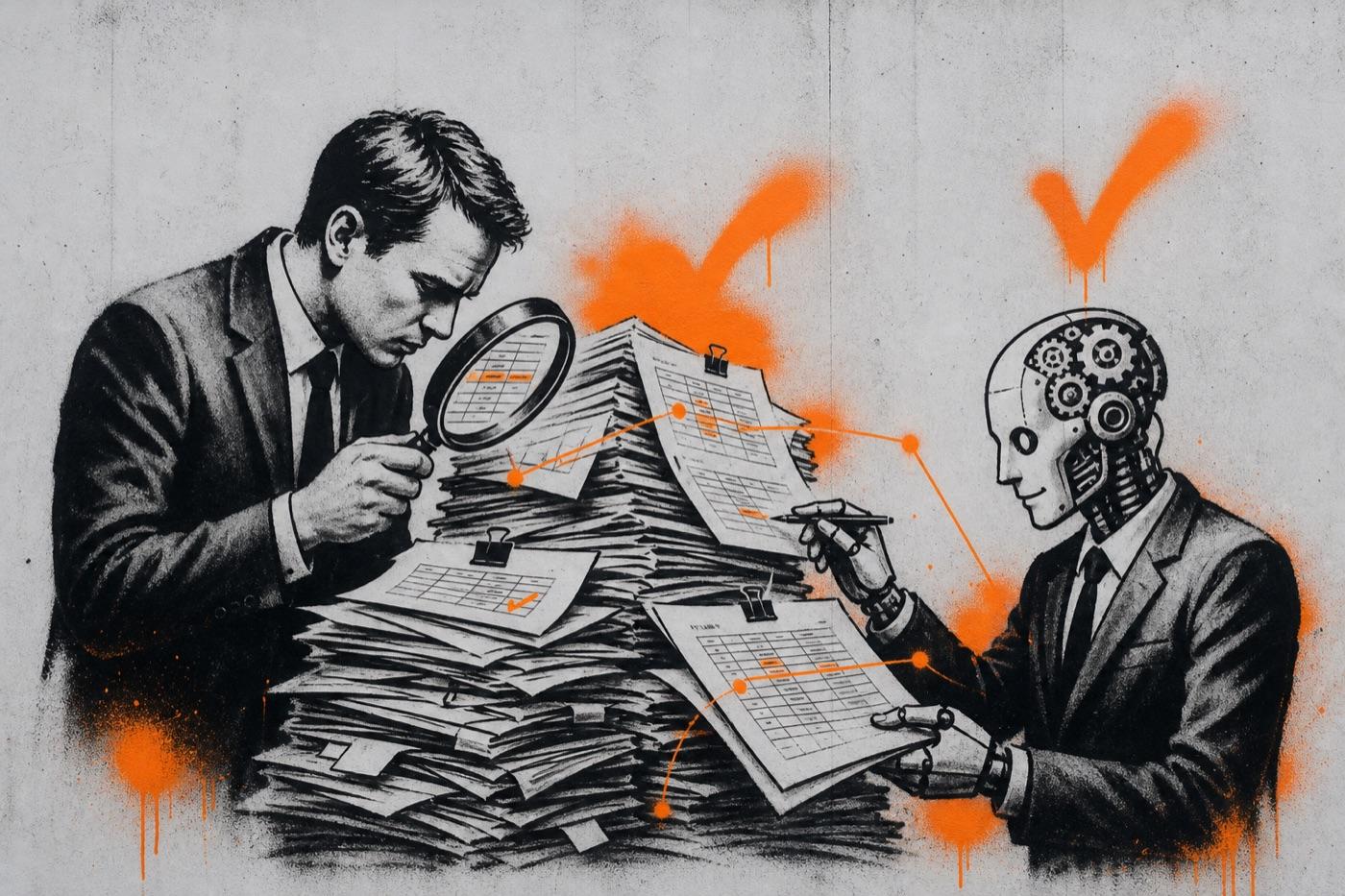

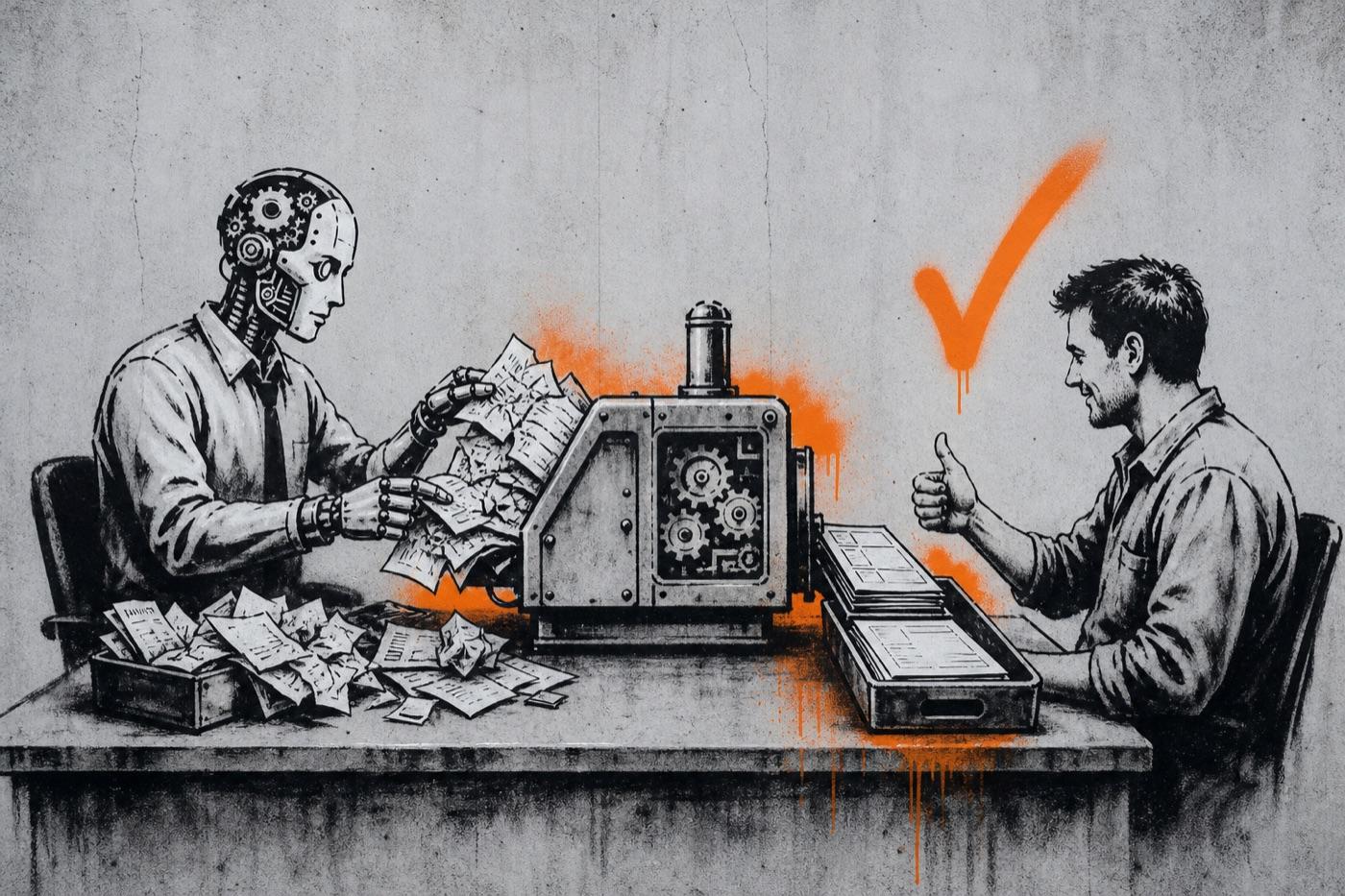
012 / QUESTIONS
Anything else is quicker to answer on a call. Thirty minutes, free, with the people who would build it.
Mostly on the document work around the engineering: drawing and transmittal registers, RFI logging and draft responses, cited answers from the firm's own specifications and past reports, meeting minutes, proposal drafts and timesheet-to-invoice. The AI prepares the work and the responsible engineer or project manager checks it.
Tell us where your senior engineers lose the most hours. In thirty minutes we'll sketch the workflow, where the data lives and who checks the output.
Book a free call→