
Grow your online retail business with AI product automation, smarter inventory management, and conversion-focused stores. Working with Shopify, WooCommerce, and custom e-commerce businesses across Australia.
We understand the unique pain points facing Australian e-commerce & online retail businesses
Manual product listing creation taking hours for each SKU
Inventory management across multiple sales channels causing stockouts
Customer service enquiries overwhelming the team during peak periods
Pricing decisions requiring constant competitor monitoring
Product photography and image editing bottlenecking launches
Abandoned cart recovery requiring manual follow-up
Product descriptions lacking SEO optimisation
Marketing campaigns requiring extensive manual segmentation
AI agents that take on repetitive work around the clock, with your team kept in control
Automated pipeline that turns trend data and your design direction into product listings, descriptions, SEO tags, and mockups
What it helps with:
More products launched with less manual work, and faster testing of new ideas
Customer service agent that handles enquiries, tracks orders, processes returns, and suggests related products around the clock
What it helps with:
Faster replies for customers, fewer repetitive tickets for your team
Manages stock across channels, monitors competitor prices, and recommends pricing changes within rules you set
What it helps with:
Fewer stockouts and overselling incidents, better visibility of margins and dead stock
Recovers abandoned carts, personalises product recommendations, and improves the customer journey
What it helps with:
More recovered carts and repeat purchases without extra manual campaigns
Streamline your operations with intelligent automation
AI generates product titles, descriptions, images, and SEO tags, then publishes across your sales channels.
Time
Hours of listing work each week
Impact
Faster product launches
Automated order tracking, return processing, refund handling, and customer enquiry responses.
Time
Fewer repetitive tickets
Impact
Handle peak periods without extra staff
Automated customer segmentation, email sequences, SMS campaigns, and social media posting.
Time
Campaigns run automatically
Impact
More relevant, better-targeted emails
Real-time inventory sync across Shopify, Amazon, eBay, and marketplaces to prevent overselling.
Time
No manual stock updates
Impact
Fewer oversold orders
AI and digital solutions for e-commerce & online retail businesses
Build AI agents that automate product creation, customer service, and inventory
Benefits:
Build conversion-focused online stores with AI features built in
Benefits:
Improve product visibility in Google, grow organic traffic, and optimise conversions
Benefits:
Optimise existing stores for conversions, speed, and mobile experience
Benefits:
The practical outcomes these systems are designed to deliver for e-commerce & online retail businesses
Trend research, design concepts, mockups, and listings run as one pipeline with human approval
Order tracking, returns, and product questions are answered outside business hours
Stock levels update across every sales channel when an item sells
Personalised email and SMS sequences follow up abandoned carts
Competitor prices are monitored and adjustments stay within your margin limits
Recommendations and emails reflect each shopper's browsing and purchase history
Everything you need to know about AI automation for e-commerce & online retail
AI can handle much of the repetitive work in getting new products online. A product generation pipeline monitors trends on marketplaces such as Etsy and Amazon and on social platforms like TikTok and Instagram, then uses image generation models to produce original design concepts based on your brand direction. It creates mockups on t-shirts, mugs, posters, or other items, writes SEO-friendly titles and descriptions using Australian search terms, generates tags for marketplace discovery, and publishes to Shopify, Etsy, Amazon, or a custom store. You review and approve designs before anything goes live, which protects quality and avoids copying other sellers' work.
The main benefit is speed: you can test many more product ideas with the same team. It suits print-on-demand stores, Etsy sellers, and Shopify stores in niches where new products are needed often.
A good AI customer service setup for Shopify combines a chatbot that knows your catalogue and policies, order tracking, and a clean handoff to a person for anything complex. The assistant answers product questions using your product data, gives order status by connecting to Shopify and carriers such as Australia Post and StarTrack, handles return and exchange requests according to your policy, suggests complementary products, requests reviews after delivery, and passes frustrated customers or unusual issues to your team with the full conversation attached. It can run as a website chat widget, on Facebook Messenger and Instagram DMs, or over SMS. The benefits are instant answers at any hour, fewer repetitive tickets for your team, and consistent replies.
It is especially useful during sales peaks and for stores with customers in other time zones.
Yes. Multi-channel inventory is one of the most practical places to use automation. An inventory system syncs stock levels across Shopify, WooCommerce, Amazon Australia, eBay, Catch, MyDeal, and other marketplaces, updating every channel when an item sells so you avoid overselling. It forecasts stockouts from sales velocity and seasonality, prepares reorder alerts or purchase orders, and flags slow-moving stock that may need a promotion.
Pricing tools can monitor competitor prices and adjust yours within minimum-margin rules you set. The system can work with 3PL warehouses and Amazon fulfilment and handle GST across channels. It is most valuable for businesses selling on several channels or managing a large SKU range, where manual spreadsheets become error-prone and time-consuming.
Cost depends on the size of your store, the number of sales channels, and which workflows you want to automate. A customer service chatbot or abandoned cart sequence is a relatively small project, while a full product generation pipeline or multi-channel inventory and pricing system involves more development and integration. We scope each engagement after a free consultation and give you a fixed quote before work starts. The main cost drivers are the number of workflows, integrations with Shopify, WooCommerce, marketplaces, and email platforms, the level of customisation, and ongoing hosting, AI usage, and support.
To judge value, compare the quote with the hours your team currently spends on listings, support, and inventory updates, and with the sales you lose to stockouts or slow replies. We help you work through those numbers during the consultation.
Online retailers using AI tend to combine several tools. Product automation uses image generation and language models to create designs, mockups, and descriptions. Customer service chatbots integrated with Shopify or WooCommerce handle enquiries, returns, and order tracking. Abandoned cart tools send personalised email and SMS sequences.
Pricing tools monitor competitors, and inventory systems sync stock and forecast reorders across marketplaces. Email platforms such as Klaviyo add AI-driven segmentation, and recommendation engines suggest related products on product pages and at checkout. The most effective setups connect these tools so customer, order, and product data flows between them rather than being managed in separate silos. Most stores start with the area causing the most manual work, such as support or listings, then expand once it is running reliably.
Yes. AI can support several parts of conversion optimisation on a Shopify store. Abandoned cart sequences send personalised reminders by email and SMS, optionally with discount codes. Recommendation engines show "customers also bought" and "complete the look" suggestions on product pages, cart, and checkout.
Customer segmentation separates VIPs, first-time visitors, and repeat buyers for more relevant marketing, and behavioural emails cover browse abandonment, post-purchase follow-up, and win-back campaigns. A/B testing tools help you test headlines, product images, calls to action, and checkout changes, and an on-site chatbot answers questions that might otherwise stop a purchase. These tools integrate with Shopify, Klaviyo, and Google Analytics. Testing works best when a store has enough traffic to produce reliable results, so we check your analytics before recommending an approach.
AI product generation for Etsy and print-on-demand combines trend research, design creation, and listing automation. The system monitors what is selling in your niche on Etsy, Amazon, Redbubble, and social media, looking at themes, styles, keywords, and price points. Image generation models then create original designs based on those themes and your brand guidelines, and designs are placed on t-shirts, hoodies, mugs, posters, and phone cases using mockup templates. It writes Etsy titles and descriptions with relevant keywords, generates up to 13 Etsy tags per listing, and publishes to Etsy, Printful, or other print-on-demand platforms.
An approval step lets you review every design before publication, which protects quality and helps you avoid trademark or copyright problems. Over time the system learns from your sales data which styles perform best. See our AI Etsy T-Shirt Automation case study for an example build.
AI makes email marketing more personal without extra manual work. Customers can be segmented automatically by behaviour (VIP buyers, bargain hunters, browsers, lapsed customers), by purchase history (categories, order value, frequency), and by lifecycle stage. Campaigns then use dynamic content blocks showing products relevant to each person, with send times tuned to their engagement patterns. Automated flows typically include a welcome series, post-purchase follow-up with review requests and related products, abandoned cart and browse abandonment reminders, win-back campaigns for customers who have not purchased in a while, and VIP offers or early access for top customers.
The system integrates with Shopify, WooCommerce, and Klaviyo. It works best once you have a reasonable subscriber list and order history, and it shifts your focus towards keeping existing customers, which usually costs less than constantly acquiring new ones.
Examples of related work from our portfolio
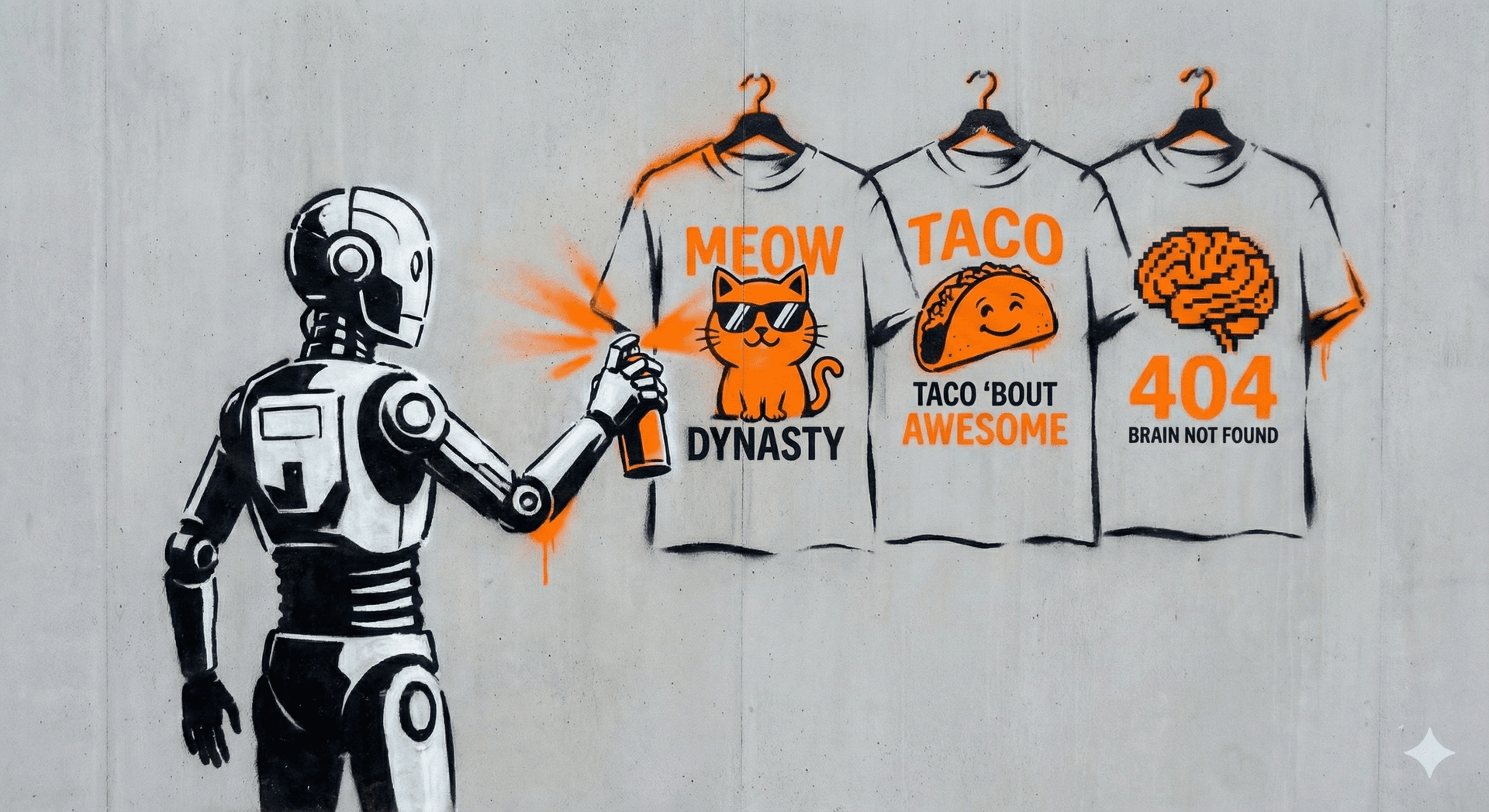
Automated Etsy store pipeline that monitors trends, generates designs, creates mockups, and publishes products with AI
View Project→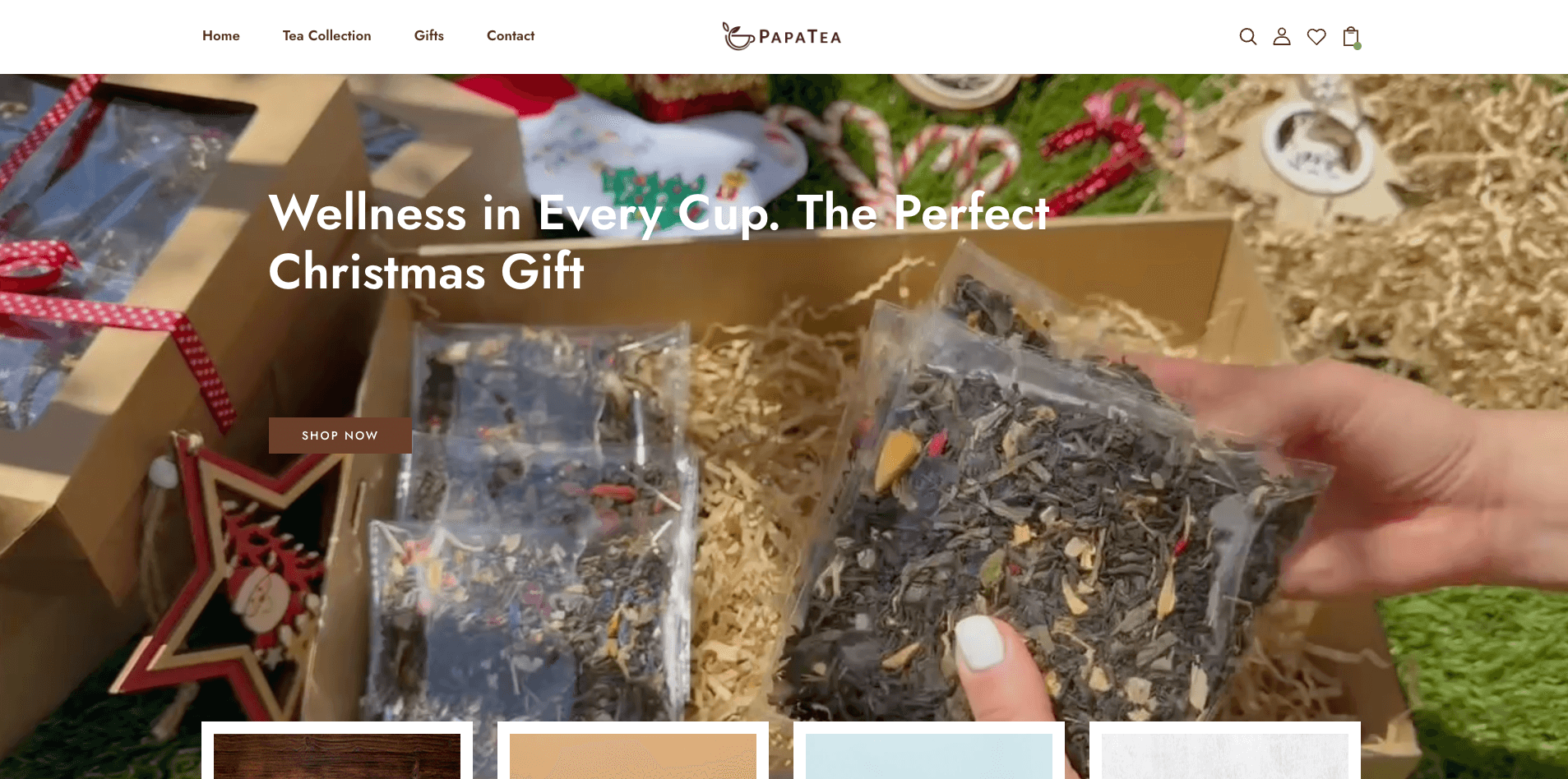
Shopify optimisation for an online tea store with improved UX, product pages, and SEO
View Project→
Shopify e-commerce optimisation for a Sydney Korean skincare clinic with improved booking and product catalogue
View Project→We work with businesses in major Australian cities and regional areas
Book a free consultation and get an AI automation roadmap for your Australian online store. We'll identify where automation can speed up product launches, customer service, and inventory.
Get Your Free Consultation→